
Why South African Retailers Are Ditching Plastic for Paper
The plastic tide is turning. Here is what every South African retailer needs to know about the shift to sustainable paper packaging, and why the time to act is now.
Walk down any South African high street, and you will still see plastic bags as they have always been: carried, discarded, and ultimately forgotten. But beneath this everyday familiarity, something significant is changing. South African retailers, from boutique clothing stores to national grocery chains, are rethinking their relationship with plastic packaging. And they are doing it fast.
The shift is not simply a trend driven by a handful of eco-conscious brands. It is being shaped by a combination of hard environmental realities, tightening government legislation, and a South African consumer base that is increasingly vocal about the values it expects the brands it shops with to hold. Paper packaging is no longer the more expensive, less convenient option. For growing numbers of retailers, it is simply the smarter choice.
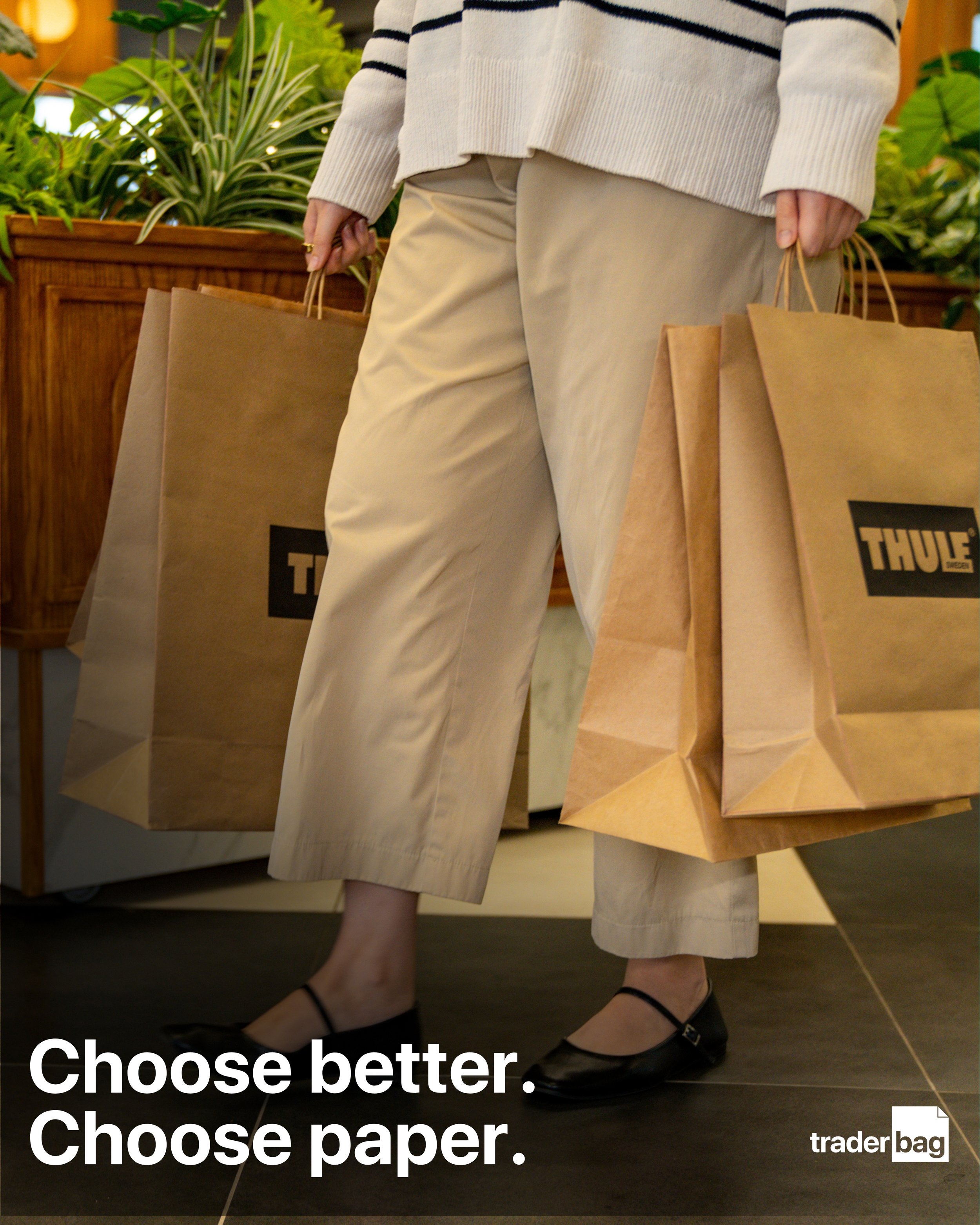
The Problem With Plastic Is Closer to Home Than We Think
South Africa has long grappled with the visible scars of plastic pollution. A staggering 94% of beach litter in South Africa is plastic. That is not just an environmental embarrassment for a country whose coastlines are among its most celebrated tourism assets. It is a direct indictment of how the retail and packaging sectors have operated for decades.
Globally, the picture is no less alarming. Approximately 11 million tonnes of plastic enter the world's oceans every year. Current projections suggest that if consumption habits and waste management practices remain unchanged, plastic waste could triple by 2060.
For South African businesses, these are not abstract statistics from a distant problem. South Africa's informal settlements, its river systems, and its coastlines bear the weight of plastic mismanagement every single day. The retail bag sitting in a consumer's hand today has a very real chance of becoming part of this picture tomorrow.
The Legislative Pressure Is Real and It’s Escalating
South African retailers cannot afford to treat sustainability as optional. The legislative environment has been tightening steadily, and the direction of travel is clear.
In 2003, South Africa was one of the first countries in Africa to introduce plastic bag legislation, combining minimum thickness standards with a charge at the point of sale. In 2021, further amendments to the Plastic Carrier Bags and Flat Bags Regulations introduced a phased approach to minimum recycled content requirements. From January 2023, plastic bags were required to contain a minimum of 50% post-consumer recyclate. From 2025, that threshold rose to 75% recycled materials. By 2027, plastic bags must be manufactured from 100% post-consumer recyclate.
The penalties for non-compliance are serious. Businesses that contravene these regulations face fines of up to R5 million or five years in prison, rising to R10 million or ten years for repeat offences.
On top of this, the plastic bag levy was increased from R0.28 to R0.32 per bag in April 2024. The National Treasury has also been exploring extending the levy to cover all single-use plastics used in retail, including packaging, straws, and utensils.
South African businesses are also subject to Extended Producer Responsibility (EPR) regulations, which require producers and retailers dealing in plastic packaging to register with producer responsibility organisations, submit EPR schemes, and meet ongoing collection and recycling targets. Single-use products including food packaging must contain at least 8% recycled material as a baseline requirement.
The message from government is unambiguous: businesses that continue to rely on conventional plastic packaging face an increasingly complicated, costly, and legally precarious future. Paper packaging sidesteps many of these obligations entirely and positions retailers ahead of the curve rather than scrambling to catch up.
South African Consumers Are Changing Their Expectations
Legislative pressure alone rarely drives lasting commercial change. What accelerates it is consumer expectation, and on this front, the signals in South Africa are unmistakable.
Research conducted at the University of the Witwatersrand found that 88% of respondents believed single-use plastics are used far too prolifically. Pro-environmental attitudes around packaging and recycling are widespread, particularly among younger urban consumers who represent a growing share of retail spending. While behaviour does not always immediately follow attitude, the trend is clear: South African shoppers are paying more attention to how the brands they support package their products.
This matters commercially. A retailer's packaging is not just a functional vessel. It is part of the brand experience. It is what a customer carries out of your store and through a shopping centre, advertising your brand to everyone who sees it. Choosing paper is not just an environmental statement; it is a brand statement. It tells your customers that your business is thoughtful, responsible, and forward-looking.
The retailers who are making this switch are not doing so reluctantly. Many report that the transition has enhanced customer perception of their brand, reinforced loyalty among environmentally conscious shoppers, and created genuine competitive differentiation in crowded markets.
The Case for Paper Packaging Has Never Been Stronger
Paper bags are biodegradable, widely recyclable, and when produced responsibly, carry a genuinely smaller environmental footprint than their plastic counterparts. But for South African retailers who have relied on plastic for operational simplicity, the practical question is: can paper really do the job?
The answer, increasingly, is yes. Modern paper bag manufacturing has advanced significantly. High-quality paper bags can handle substantial weight, maintain their structure in varied conditions, and be produced in a wide range of sizes to suit different retail environments, from fashion boutiques and gift shops to food retailers and pharmacy chains.
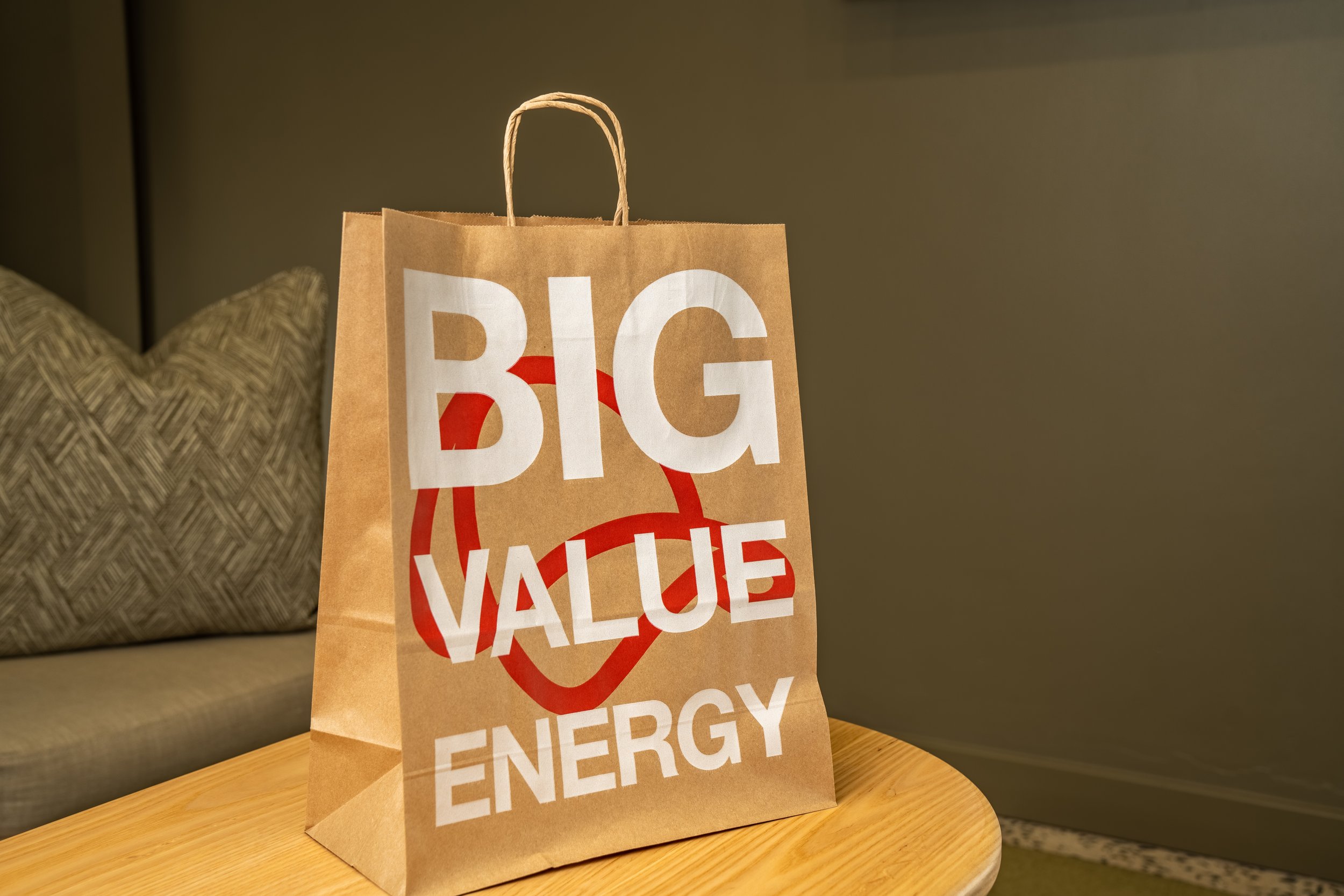
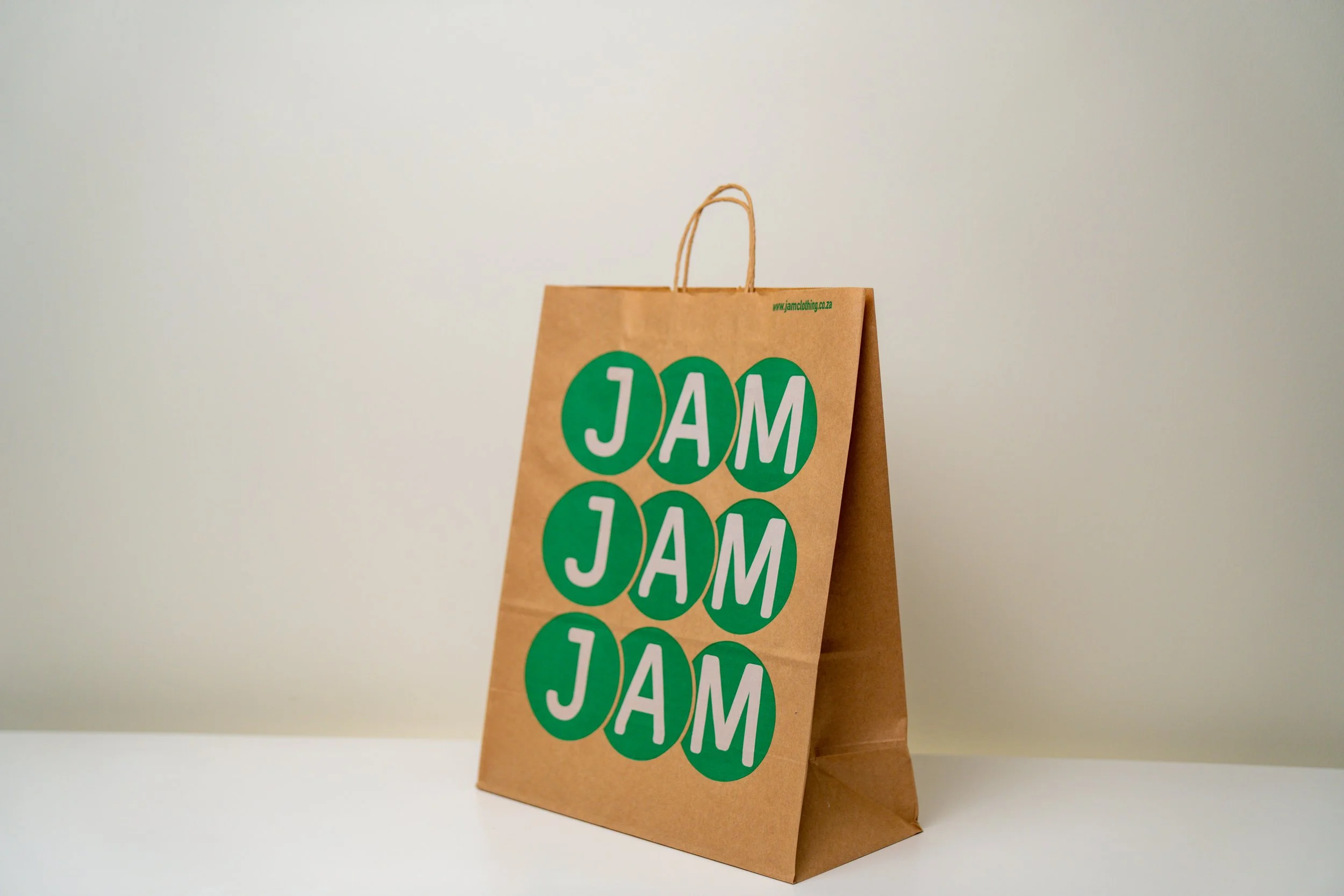
There is also the question of branding capability. Paper bags are highly versatile from a design perspective. They can be custom-printed with brand colours, seasonal artwork, and messaging that plastic bags simply cannot replicate as effectively. In an era when in-store experience is integral to brand identity, a beautifully designed paper bag is a genuine marketing asset.
Meet Traderbag: Built for Retailers Ready to Make the Switch
Traderbag was founded with a clear understanding of the challenges South African retailers face: the need for packaging that looks premium, performs reliably, arrives on time, and does not create operational headaches. Our model is built around making the transition from plastic to paper as straightforward as possible.
We offer custom sizes and up to four-colour printing, so every bag can reflect your identity, seasonal campaigns, and design aesthetic.
We use water-based inks to make the bags 100% recyclable from the outset, without contamination concerns.
A direct-to-store delivery network with no middlemen means your stock arrives on time, every time.
Smart forecasting and top-up alerts take the guesswork out of stock management so you can focus on running your business rather than chasing your supplier.
A seamless, automated service model means less admin and more operational efficiency at every level.
Traderbag is not simply a supplier. It is a packaging partner built to grow with your business.
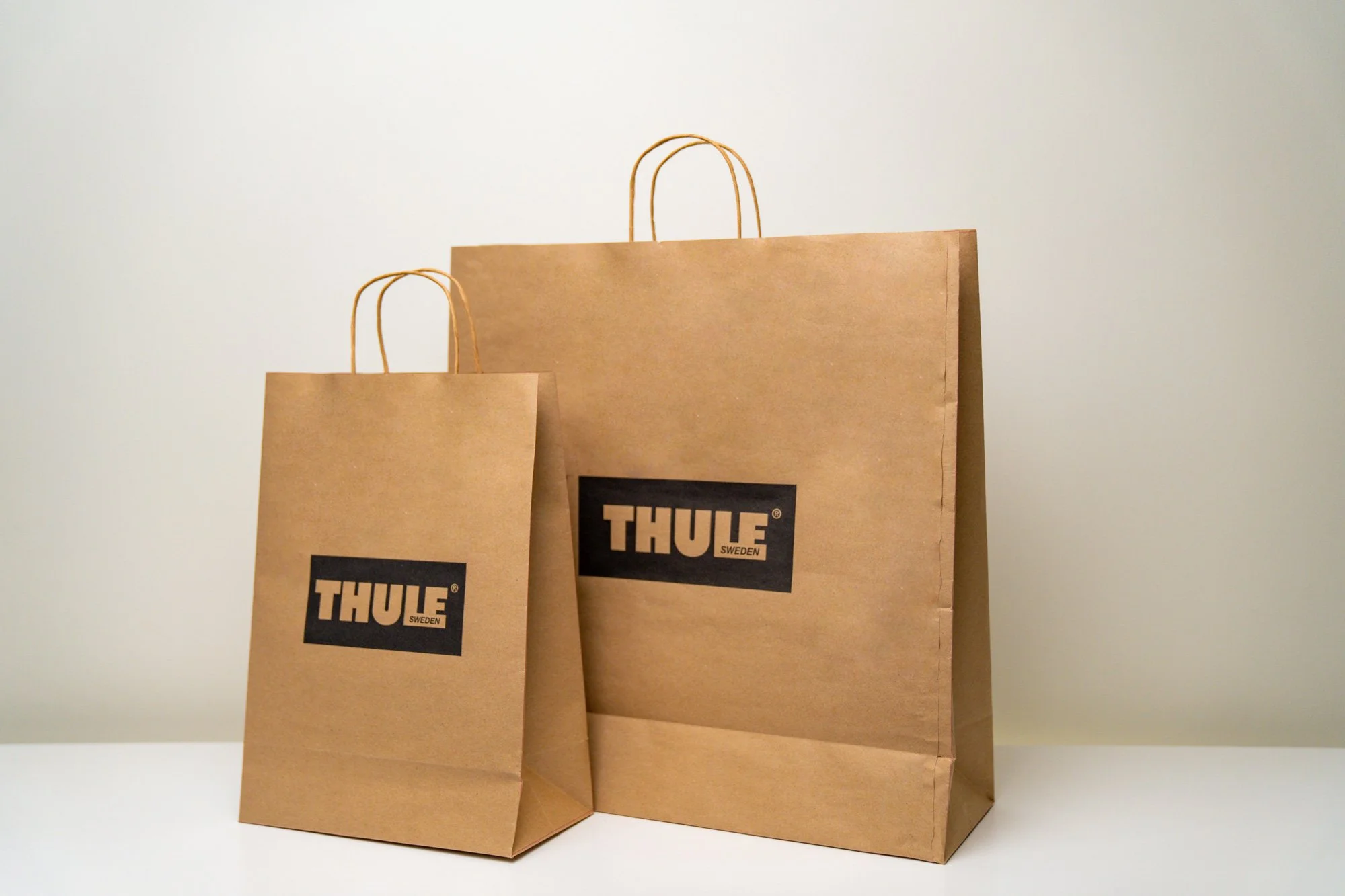
Scalable Solutions for Every Kind of Retailer
One of the most common concerns retailers raise about switching to paper is scalability. Will a paper bag supplier be able to keep up with demand during peak trading periods? Will there be consistency across multiple store locations? Will reordering be complicated?
Traderbag's model is designed to answer every one of these concerns. The smart forecasting system takes the guesswork out of stock management. The direct-to-store delivery network ensures each of your locations is supplied reliably and consistently. And the customisation options mean that whether you are ordering for one store or fifty, the quality and branding are exactly what you expect, every time.
For retailers that have previously been deterred by the perceived operational complexity of switching from plastic to paper, Traderbag represents a practical, proven path forward.
The Time to Act Is Now
South Africa is at an inflection point. The regulatory direction is clear, consumer expectations are shifting, and the environmental urgency is beyond dispute. The retailers who move now will not merely be compliant with incoming requirements. They will be positioned as leaders in their categories, brands that their customers can respect and return to.
The cost of waiting is rising. Every year that a retailer delays the switch to sustainable packaging is another year of escalating levy costs, growing compliance risk, and missed opportunity to connect with an increasingly eco-conscious consumer base.
Paper is not the future of retail packaging because it is fashionable. It is the future because it is practical, scalable, brand-building, and increasingly unavoidable. The retailers who understand this are already making the switch.
Ready to Make the Switch?
Traderbag makes it simple for South African retailers to transition from plastic to premium, sustainable paper packaging without the operational headaches. Whether you are just starting to explore the idea or you are ready to place your first order, our team is ready to help.
Visitwww.traderbag.co.za to find out how we can be your packaging partner for a greener, smarter future.
