
More Than a Bag: How Packaging Became a Branding Powerhouse
Picture this: a customer walks out of your store, branded paper bag in hand. Between your front door and their car, their office, or the shopping centre food court, that bag becomes a moving advertisement. It passes dozens of eyes. It sits on a table. It gets photographed. And long after the purchase is forgotten, the brand impression lingers.
That is not incidental. That is strategy. And for South African retailers who are still treating packaging as a cost line rather than a marketing tool, it is an opportunity they are quietly handing to their competitors.
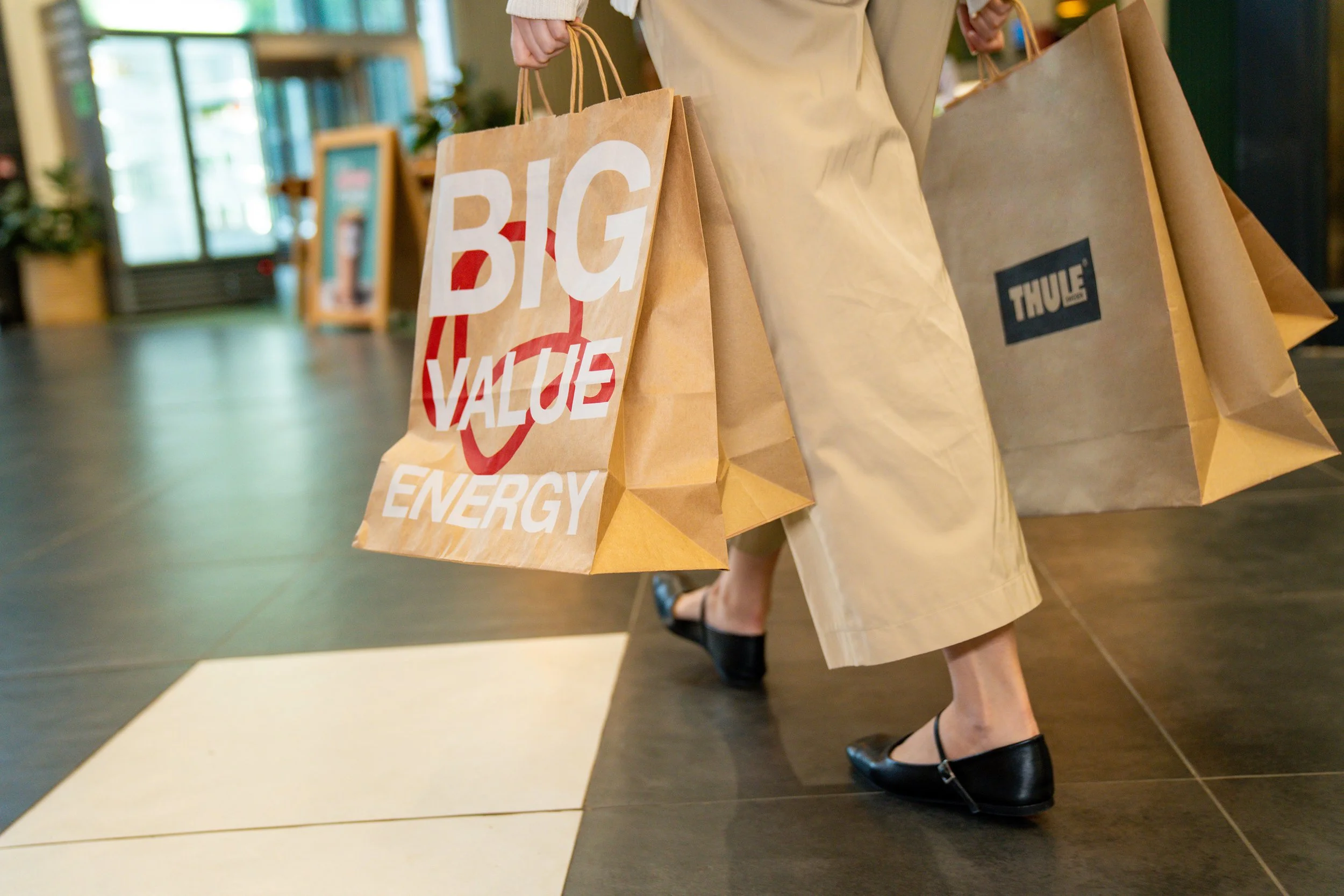
The Psychology of Carrying a Brand
When a customer walks out of a store holding a well-designed, premium-looking bag, something subtle but significant happens: they become a brand ambassador. Voluntarily. Without being asked.
This is the psychology behind what marketers call the walking billboard effect. A branded paper bag does not stay in the store. It travels. It is seen by other shoppers, carried through malls and markets, left on desks and kitchen counters, and increasingly, shared on social media. South African consumers are highly socially connected, with research showing 83% use social media to discover new brands. Packaging that is visually compelling feeds directly into this behaviour.
There is also the question of perceived value. Packaging quality signals product quality. A flimsy, generic bag communicates something about the brand that retailers may not intend. A sturdy, well-printed, beautifully finished paper bag communicates the opposite. Research consistently shows that premium packaging elevates the perceived value of what’s inside, even before it’s opened. For retailers in competitive categories like fashion, beauty, and lifestyle, that perception gap can be the difference between a once-off purchase and a loyal customer.
Beyond the Store: Extended Brand Visibility
The branding value of a paper bag does not stop at the exit. Unlike in-store displays, shelf cards, or window graphics, a branded bag continues to perform after the transaction is complete.
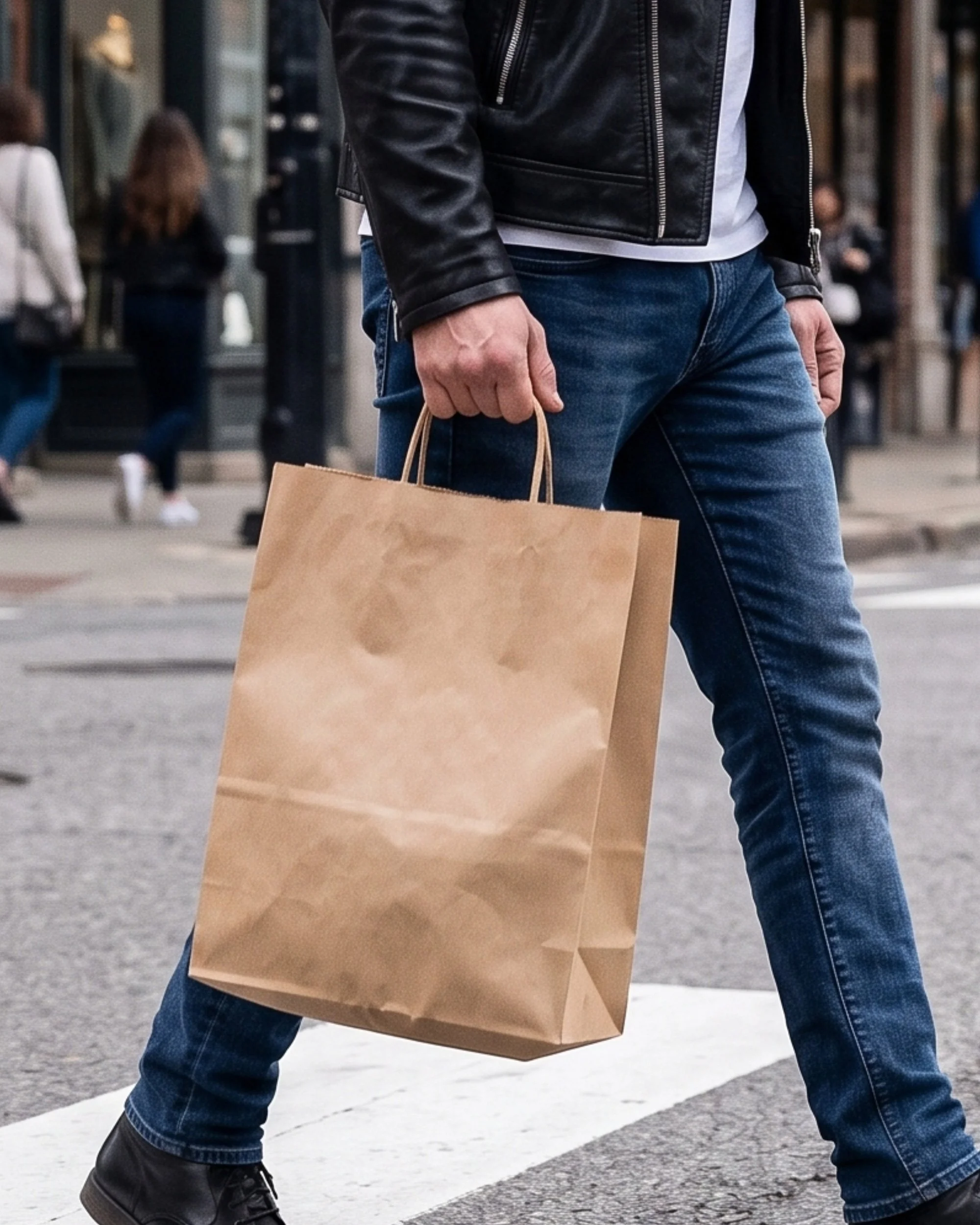
Consider the footprint. A single branded bag used in a busy shopping centre on a Saturday afternoon might pass in front of hundreds of people across the course of an afternoon. Multiply that by the number of bags a retailer moves in a week, and the numbers become significant. This is passive advertising that requires no additional media spend once the bag is produced
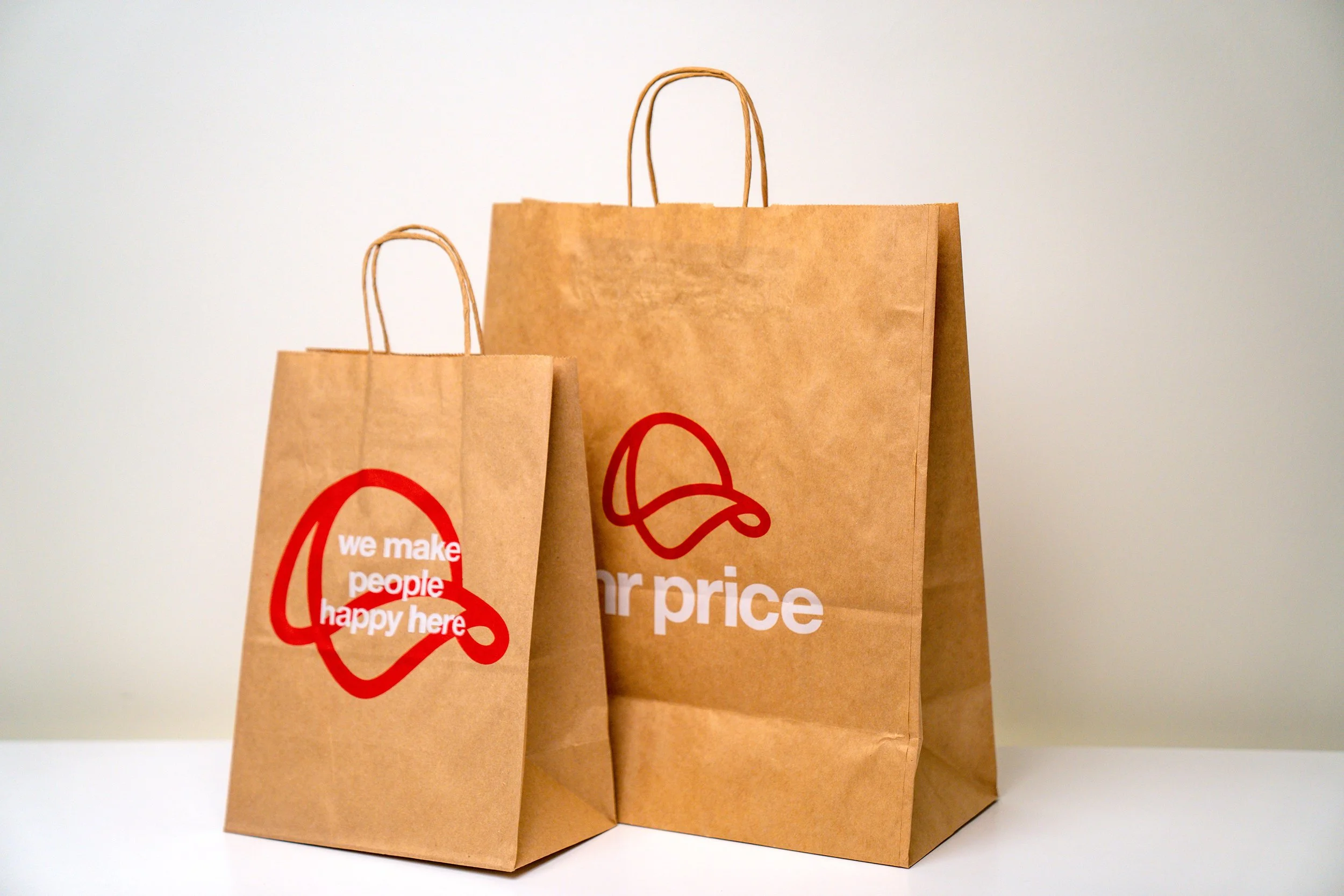
South African fashion and lifestyle retailers have long understood this. Mr Price, one of the country's most recognised value retail brands, has built strong visual brand consistency through its packaging. Walk through any major South African mall on a weekend and the distinctive red of a Mr Price bag is immediately recognisable among the shopping crowd. That consistency is not accidental. It’s the result of deliberate investment in packaging as a branding tool, not just a logistical necessity.
For smaller and mid-sized retailers, the same principle applies. Consistent, well-branded packaging builds recognition over time. It tells customers that you take your brand seriously. And in a retail environment where 90% of South African consumers say that companies delivering a consistent customer experience are important to building trust, consistency in packaging is part of the brand promise.
The Sustainable Dimension: Bags Worth Keeping
There is an additional layer to the branding conversation that is particularly relevant to the South African context: sustainability.
South Africa's sustainable packaging market reached a value of $5.8 billion in 2023, growing at a compound annual rate of 4.5% over the preceding five years according to GlobalData. Consumer awareness is driving that growth. A staggering 93% of South African respondents in PwC's 2024 Voice of the Consumer Survey said they have experienced the disruptive effects of climate change in their daily lives, a figure that sits 8 percentage points above the global average. South African consumers are not passive on this issue.
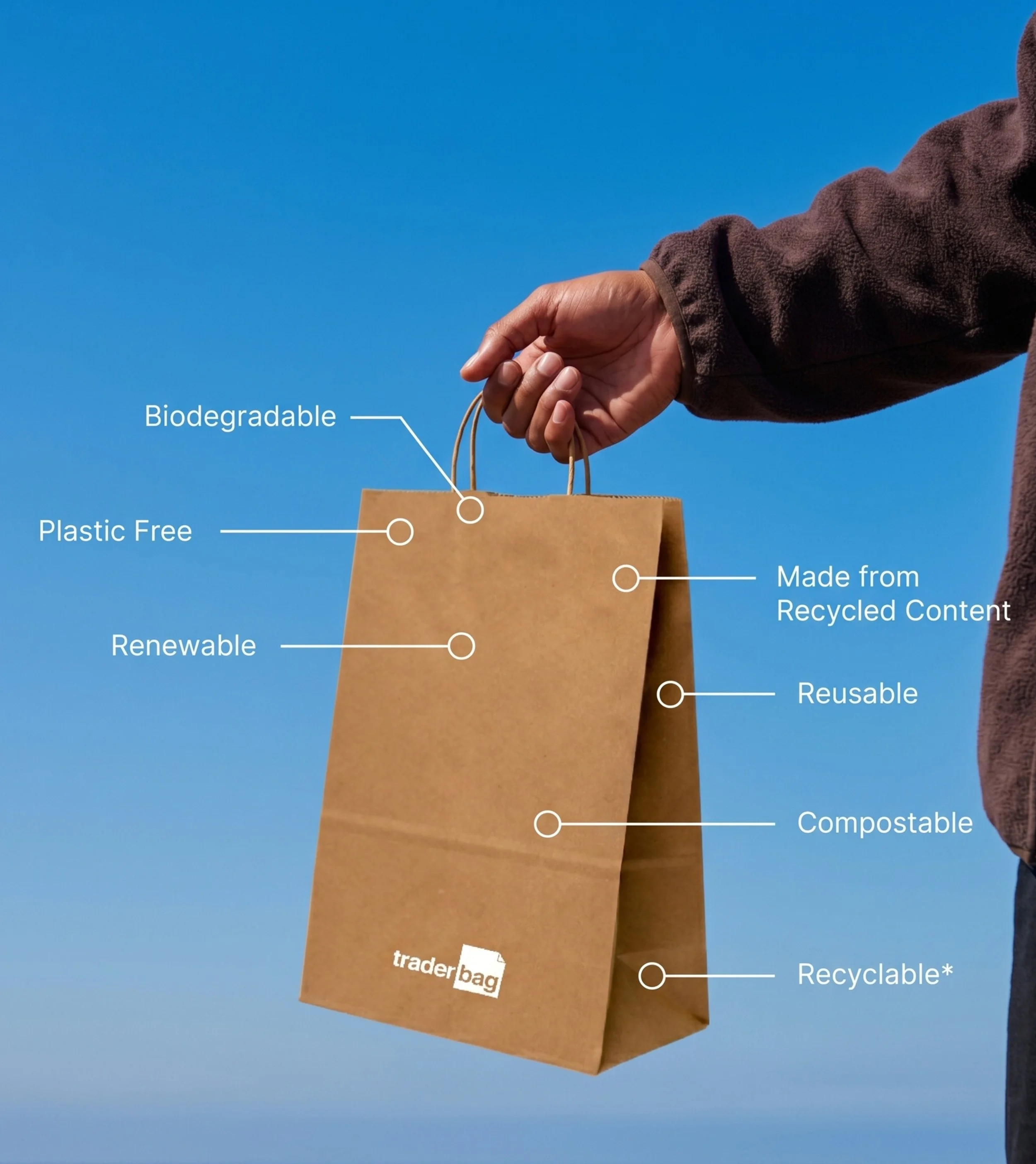
Paper bags intersect directly with this shift. A quality paper bag is not a single-use item. It is reused, repurposed, and recycled. Every additional use is additional brand exposure. Every time a customer reaches for a quality paper bag because it is sturdy enough to be useful again, the brand travels further than it would have with a flimsy disposable alternative.
Retailers who make the switch to premium branded paper bags are not just responding to consumer preference. They are aligning their packaging with the values their customers increasingly expect them to hold.
Where Traderbag Fits In
Traderbag was built on exactly this premise. We produce custom branded paper bags for South African retailers, with a direct-to-store delivery model and a process designed to take the complexity out of ordering and reordering.
Our value proposition is straightforward: great packaging, done properly, at a scale that works for South African retail realities. From the initial brief through to design, print, and delivery, Traderbag handles the end-to-end process so that retailers can focus on what they do best, selling great products, while their packaging does the branding work for them.
Every bag is printed with water-based inks, making them fully recyclable and aligned with the sustainability expectations that South African consumers increasingly bring to their purchasing decisions. Custom sizing, a range of handle options, and high-quality print finishes mean that the end result reflects the brand, not a generic template.
For retail marketing decision-makers evaluating where their packaging budget goes, the question is worth reframing. It’s not: how little can we spend on bags? It’s: how much brand value can we generate with the bags we are already buying?
The Competitive Advantage Is Already Being Taken
South African retail is changing. Consumer expectations are rising. Brand trust matters more than it did five years ago, and every touchpoint, including packaging, is now part of the conversation.
Retailers who continue to treat packaging as a functional afterthought are leaving brand equity on the table. The customers who walk out of a competitor's store carrying a striking, well-designed paper bag are already being influenced in ways that are difficult to reverse.
The good news is that the investment required to shift the equation is far more accessible than most retailers assume. A well-designed, high-quality branded paper bag from a supplier like Traderbag is not a premium reserved for big retail chains. It’s a practical, scalable choice available to independent retailers and national brands alike.
The bag is already going home with your customer. The question is whether it’s working for your brand while it does.
Ready to make your packaging work harder? Get in touch with the Traderbag team: www.traderbag.co.za
