
Inside the Mill: What Traderbag Learned at Sappi Ngodwana
There is a particular kind of quiet that settles over a paper mill once you understand what is actually happening inside it. It is not the hush of a museum. It is the quiet of a system that has been thought through, from the trees on the hillside to the reels of paper rolling off the production line. That is the quiet our directors encountered on their recent visit to Sappi's Ngodwana Mill, and it is a big part of why Traderbag exists in the first place.
Nestled in the Elands Valley about 50km from Mbombela, Ngodwana Mill has been producing paper pulp since 1966. Today it makes unbleached chemical pulp, mechanical pulp, kraft linerboard and dissolving wood pulp, feeding both domestic and international demand. For Traderbag, seeing this at source matters. Every paper bag we print starts life as fibre from somewhere, and knowing exactly where that somewhere is, and how it is managed, is central to being able to stand behind our product.
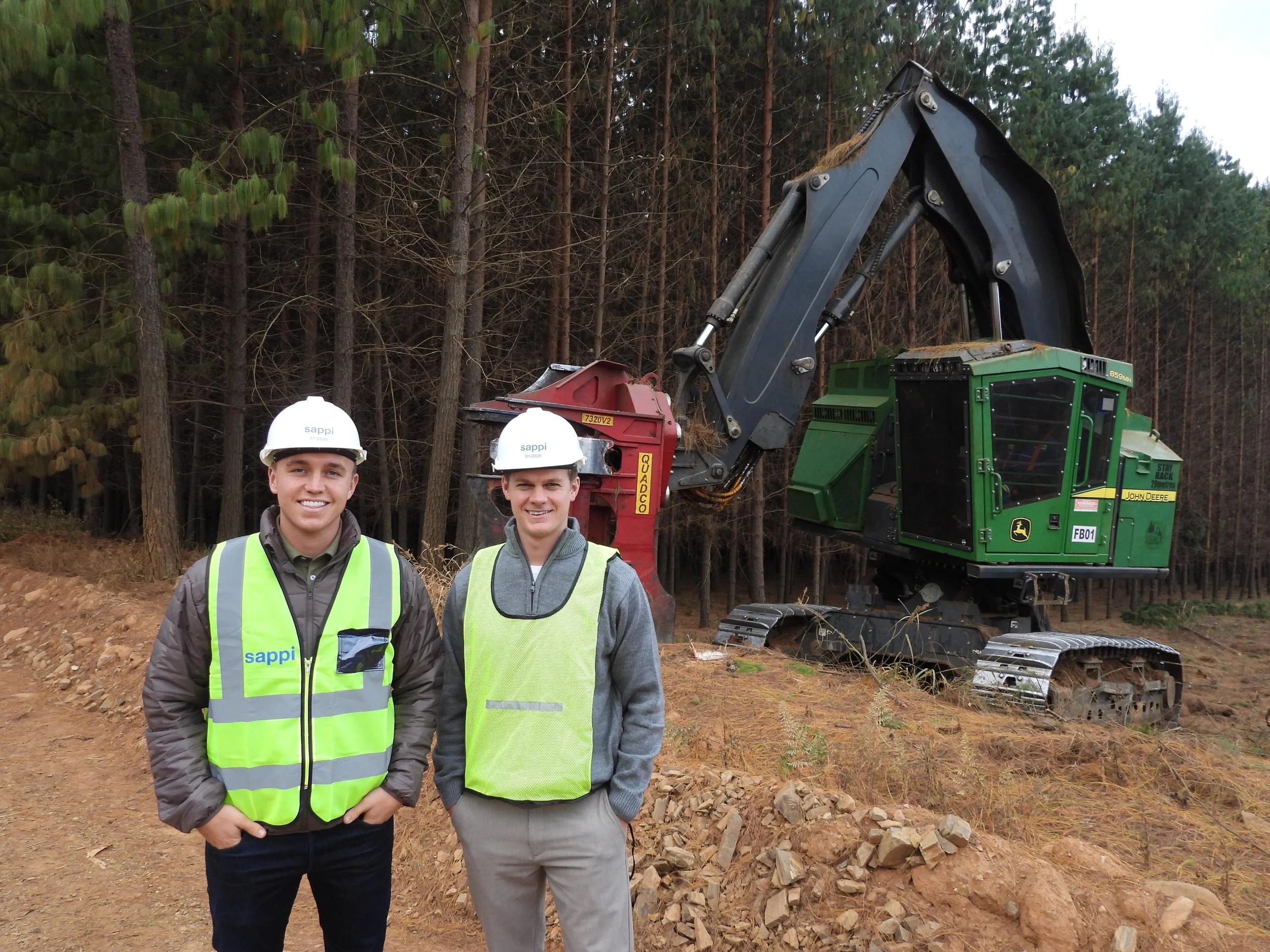
The forest is not disappearing, it is being managed
One of the most persistent myths about paper packaging is that it is quietly stripping the landscape bare. The Ngodwana visit was a useful reminder of how far that is from reality. Sappi's plantations are 100% certified to both the Forest Stewardship Council and the Programme for the Endorsement of Forest Certification, the two internationally recognised systems that verify sustainable forest management. Roughly a third of the land Sappi manages in the province is left unplanted altogether, conserved for biodiversity across four dedicated nature reserves. This is not incidental. It is the plant, grow, harvest, replant cycle working exactly as it should, at scale, with independent verification.
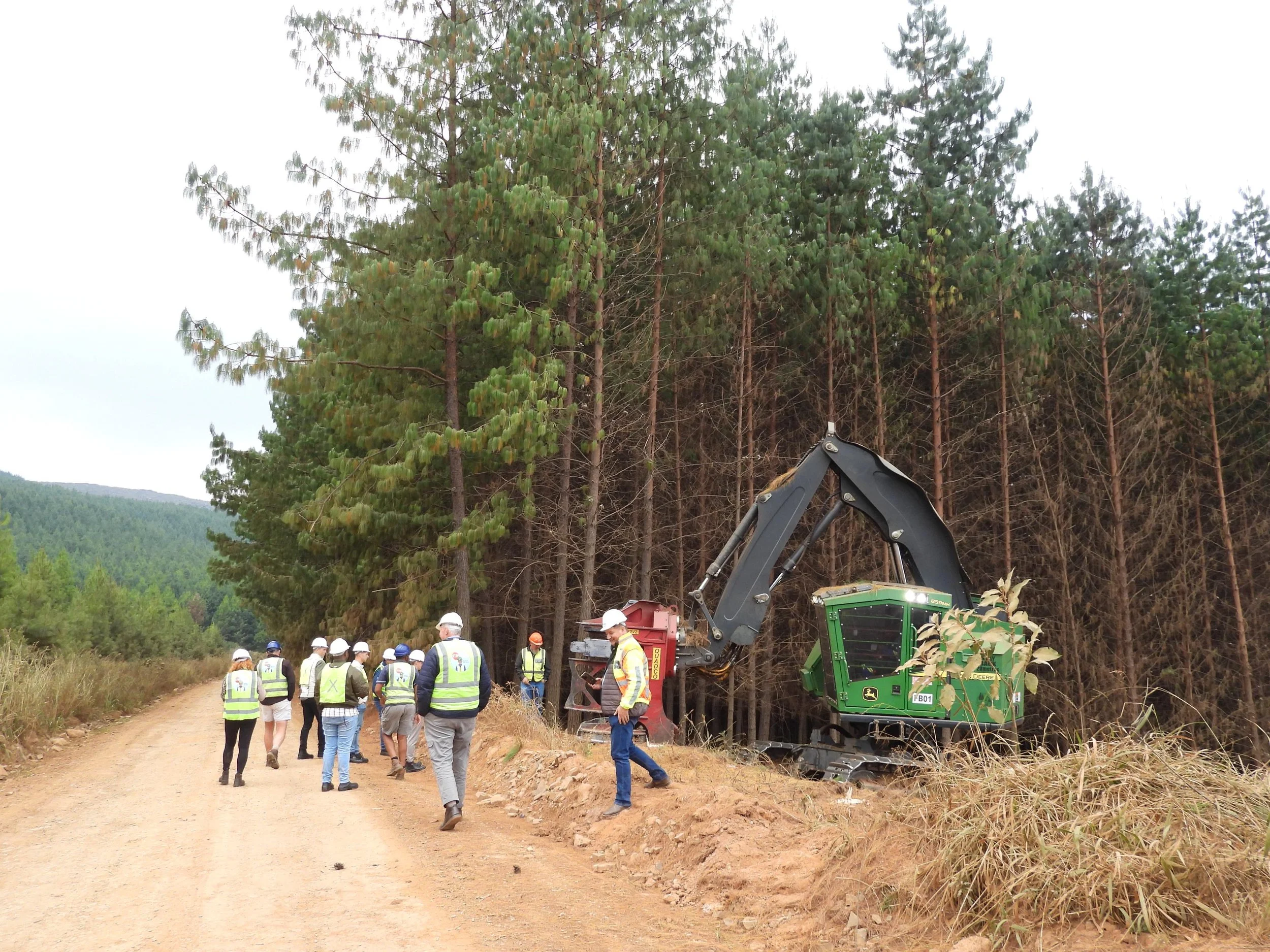
Power from the forest floor
Perhaps the most striking part of the mill tour was the energy story. Ngodwana Energy, a 25MW biomass power project in which Sappi holds a 30% stake, runs on biomass recovered from surrounding plantations and screened waste material from the mill itself. On average, the mill exports surplus power back into the national grid rather than drawing more from it, a meaningful contribution in a country where energy security is never far from the headlines. It is circular economy thinking made physical: material that would otherwise go to waste becomes the fuel that keeps production running.
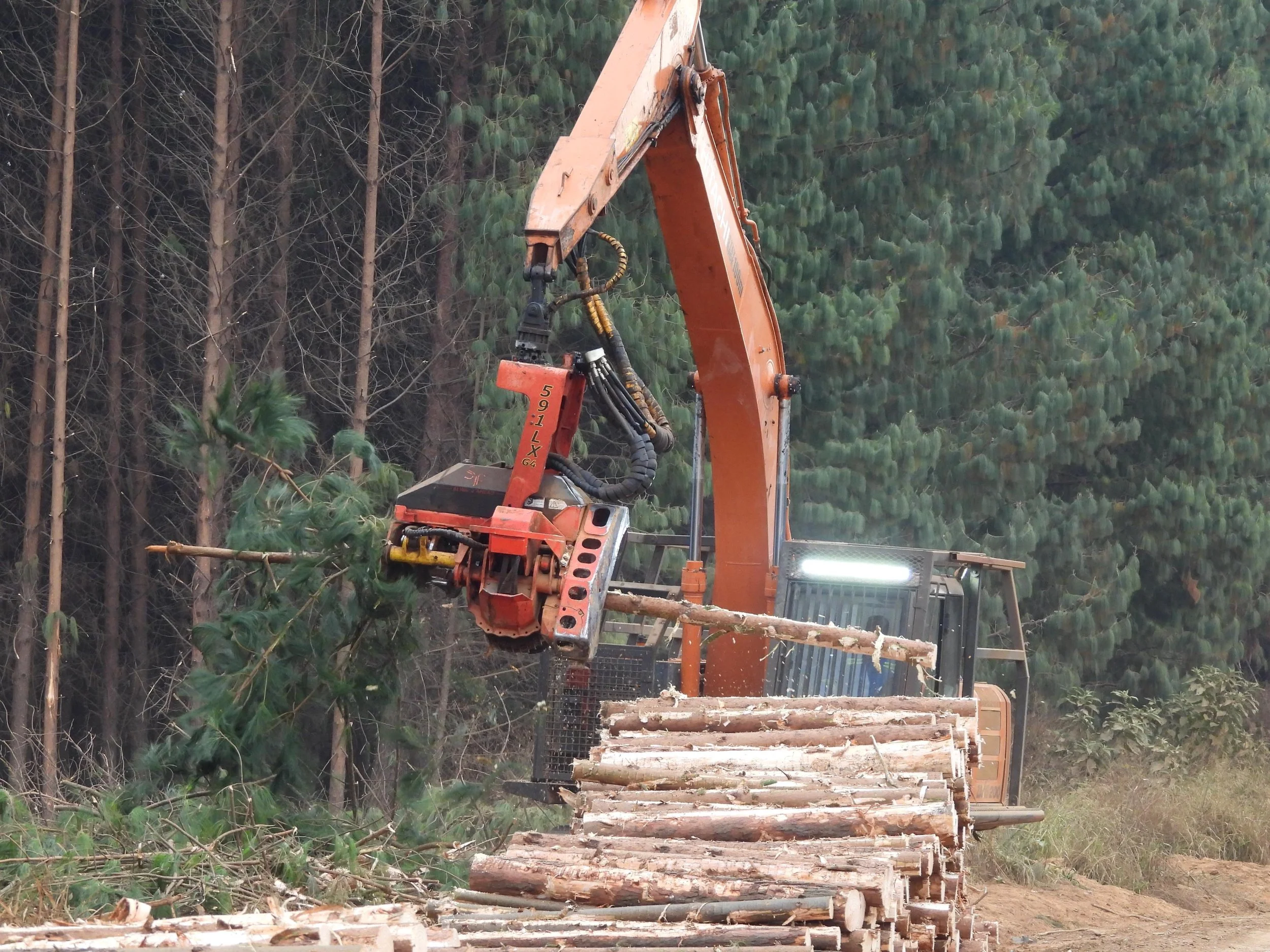
Why this matters for South African retail
South Africa's plastic bag levy and the broader push towards Extended Producer Responsibility have made packaging choices a live commercial issue for retailers, not a nice-to-have. Standing inside a facility that can trace its fibre back to certified, actively conserved forestry, and that is investing in its own renewable power, brings a different kind of confidence to that conversation. It is one thing to tell a retail partner that paper is the more sustainable choice. It is another to have watched the whole system at work.
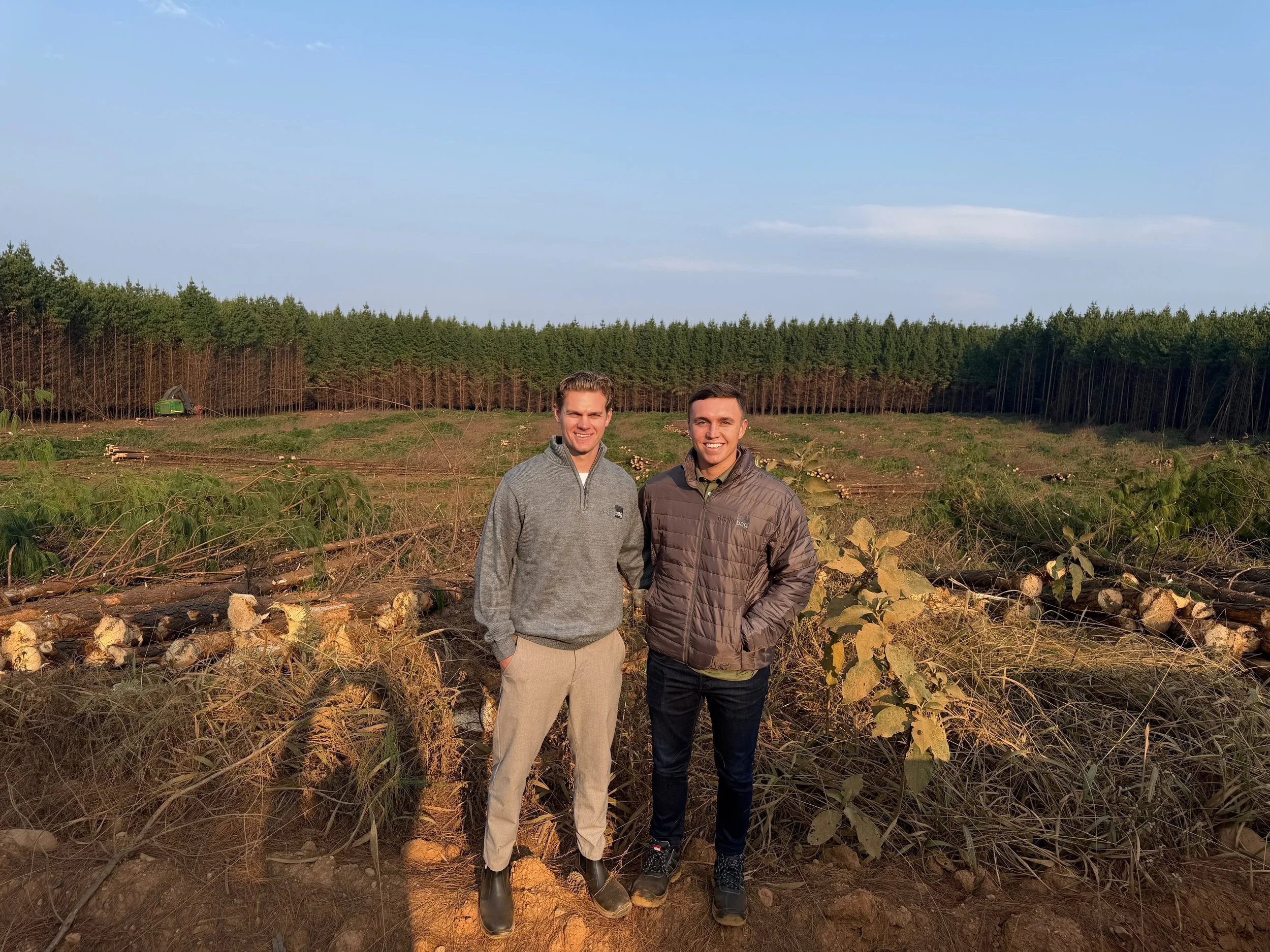
Bringing it back to the factory floor
Declan and Daniel returned from Ngodwana with more than photographs. The visit reinforced something the Traderbag team already lives day to day: that sustainability only means something when you can follow it all the way through the chain of custody, start to finish.
As South Africa continues to tighten their laws on plastic regulation, partnerships like the one between Traderbag and Sappi show what a genuinely accountable supply chain looks like, not as a slogan, but as a forest, a mill and a set of decisions made long before a bag ever reaches a till point.
Want to know more about where your packaging comes from? Get in touch with us at info@traderbag.co.za or visit www.traderbag.co.za.
